Checklist of 30 Items to Inspect a Beachfront Apartment
 Rafael Gonçalves·December 26, 2025
Do you dream of waking up to the sound of the waves and having the endless blue as your neighbor? Buying a beachfront apartment in Torres is the fulfillment of a dream, an investment in quality of life and, many times, in an asset with strong appreciation potential. However, the emotion of acquiring a property like this calls for a counterbalance: meticulous attention to detail. A thorough inspection is the foundation that keeps your dream from turning into a nightmare.
If you are navigating the real estate market in search of your seaside retreat in Torres, you have come to the right place. Haute Imobiliária, with its deep knowledge of the local market, has prepared a complete guide so you can feel safe and confident at every stage of your inspection. This article is not just a checklist, it is a detailed map to uncover every corner of your future home, ensuring that every R$ invested brings the return in well-being and peace of mind you expect.
The Crucial Importance of Inspecting a Beachfront Apartment in Torres
Buying a property, especially one with such desirable features as ocean views and close proximity to the sea in a city like Torres, is one of the most significant financial and life decisions you can make. A thorough technical inspection is not a mere detail, but an essential part of avoiding unpleasant surprises and ensuring the investment is as secure as the view the apartment offers.
In Torres, where natural beauty meets an increasingly modern infrastructure, demand for beachfront properties is intense. This demand, combined with the often harsh nature of the marine environment, makes the inspection even more critical. Salt air, humidity, and the constant action of wind and salt can affect a property’s structure and finishes in ways a superficial look would not detect. A detailed inspection, focused on the specific aspects of a coastal property, is your greatest ally.
What Makes a Beachfront Inspection Different?
Beachfront apartments are exposed to elements that require extra attention:
- Salt air exposure: Corrosion on metal, stains on surfaces, and deterioration of materials.
- Humidity and leaks: Proximity to the sea can intensify moisture problems in walls, ceilings, and even floors.
- Windows and balconies: Sealing and the quality of the glass and frames are crucial to protect the interior from humidity and noise.
- Exposed structure: The building’s structure may be more affected by coastal weather conditions.
Your Essential Checklist: 30 Items to Inspect in Your Beachfront Apartment in Torres
This checklist was designed with every detail in mind that can make the difference between a successful purchase and future headaches. It covers everything from structural aspects to finishes and the property’s systems.
1. Exterior and Structural Inspection
- Facade: Check for cracks, fissures, peeling, or signs of moisture in the paint.
- Balconies and Terraces: Inspect the floor, guardrail (integrity and safety), ceiling (signs of leakage), and drain.
- Exterior Frames: Check the condition of windows and exterior doors. Look for rust, misalignment, or difficulty opening/closing.
- Roof (if applicable): Check for broken tiles, loose tiles, or signs of leakage in the ceiling.
- Outdoor Common Areas: Pools, barbecue areas, gardens, and leisure spaces should be inspected for upkeep and safety.
2. Interior Inspection: Room by Room
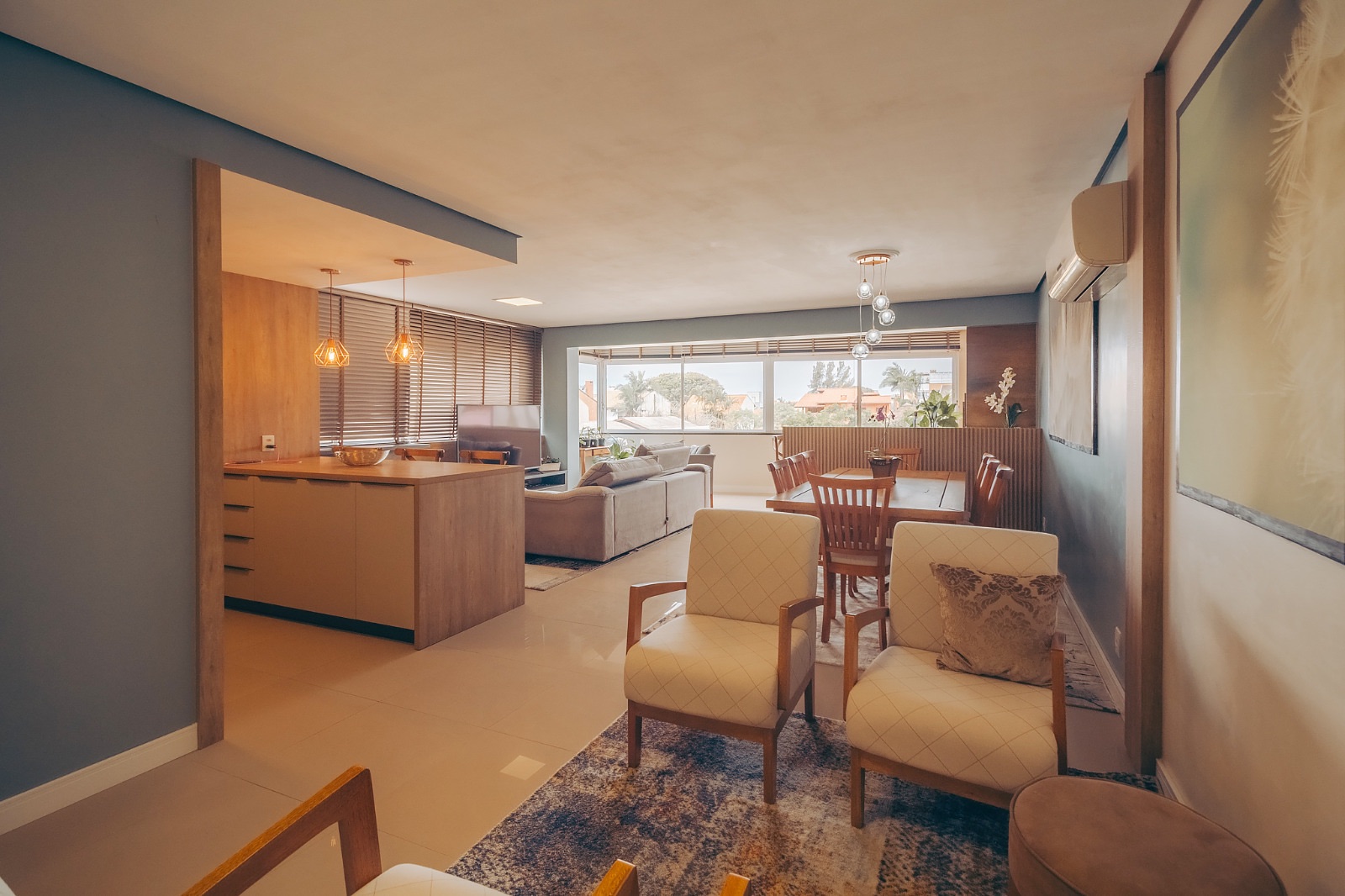
2.1. Living and Dining Room- Floors: Check for cracks, chips, uneven areas, or stains. Uniformity is a good sign.
- Walls and Ceilings: Look for signs of leakage, mold, fine cracks, or peeling paint.
- Windows and Doors: Test opening and closing. Check the sealing and the presence of excessive outside noise.
- Electrical Installations: Test outlets and switches. Check for exposed electrical boxes or bare wires.
- Finishes: Baseboards, crown molding, and other details should be in good condition.
- Floors: As with the living room, check integrity and finish.
- Walls and Ceilings: Pay special attention to signs of leakage and mold, especially on walls shared with bathrooms or exterior areas.
- Windows: Check the sealing against noise and humidity.
- Built-in Closets (if any): Test doors and drawers, and check the interior condition (presence of humidity or mold).
- Floors and Walls: Look for moisture stains, mold, or damaged grout.
- Shower Enclosure and Shower Box: Check the condition of the glass, tracks, and sealing. Test opening and closing.
- Toilet: Flush to verify operation and check for leaks in the tank or at the base.
- Sinks and Faucets: Test all faucets (shower, sink, bidet) to check for leaks and water pressure. Check for lime or rust stains.
- Drains: Observe whether water accumulates or there is any bad odor.
- Ventilation: Check whether the exhaust fan (if any) works properly.
- Floors and Walls: Look for grease stains, humidity, or mold.
- Countertops and Sink: Check the condition of the material for deep scratches, chips, or stains. Test the faucet and drain.
- Built-in Cabinets: Inspect both the inside and outside of the cabinets. Check hinges, drawer slides, and signs of moisture or pests.
- Electrical Installations: Check the number and location of outlets, especially for appliances.
- Tiles and Grout: Observe whether they are properly installed and undamaged.
- Floor and Walls: Look for signs of leakage or humidity, especially near the washing machine.
- Utility Sink and Faucet: Check operation and look for leaks.
- Installations: Check the water, drainage, and electrical points for a washer and dryer.
- Ventilation: Make sure the area has good ventilation.
3. Systems and Installations Inspection
- Electrical Installations: Ask to turn lights on and off, and test outlets. Check the electrical panel.
- Plumbing Installations: Test all faucets and flushes. Check water pressure.
- Air Conditioning: If there is any, check the operation of the indoor and outdoor units.
- Heating (if applicable): Check the water heating system.
- Security Systems: Check the intercom, security cameras (if the condominium offers them), and access control.
- Views and Sun Exposure: Observe the view from the living room, bedrooms, and balcony. Check how much sun reaches the different rooms throughout the day (ideally, talk to someone who lives in the building or to the realtor to understand the sunlight routine).
Inspecting in Torres: The Advantage of an Expert Eye
Buying a beachfront apartment in Torres is an investment that requires local knowledge. Salt air, air salinity, and the specific weather conditions in the region can speed up the deterioration of certain materials. A realtor or appraiser with experience in Torres will know exactly where to look for signs of wear that a layperson might overlook.
Haute Imobiliária has a team that lives and breathes the Torres market. We understand the nuances of each neighborhood and the particularities of beachfront buildings. We can anticipate issues that may become future problems, offering guidance that goes beyond a simple visual inspection. Our experience ensures you make an informed and secure choice, protecting your investment.
Planning Is the Key to a Safe Purchase
Before even starting the inspection, it is essential to:
- Document everything: Have the property deed registration and condominium bylaws on hand.
- Detailed budget: In addition to the property price, consider costs with taxes, fees, possible renovations, and furnishings.
- Consult professionals: A lawyer specialized in real estate law can review the documentation. An architect or engineer can be hired for a more in-depth technical inspection, if necessary.
Remember, every detail matters. By following this checklist and relying on the expertise of someone who knows Torres, you will be one step closer to making your dream come true with peace of mind and security.
Frequently Asked Questions
Why is inspecting a beachfront apartment in Torres so important?
Beachfront apartments in Torres are more exposed to salt air, humidity, and intense weather conditions. These factors can accelerate material wear, cause corrosion, and require more frequent maintenance. A thorough inspection ensures that all these points are evaluated, avoiding surprises and unexpected costs after the purchase.
What are the main problems that can arise in a beachfront apartment?
The most common issues include stains and corrosion caused by salt air on metal and frames, leaks and mold due to humidity, deterioration of grout and mortar, and premature wear on floors and finishes. Window and balcony sealing is also a critical point to prevent salt air and humidity from entering.
Is hiring a professional for the inspection really necessary?
Although this checklist is a complete guide, hiring an engineer, architect, or realtor with extensive experience in beachfront properties, such as those at Haute Imobiliária, is highly recommended. Qualified professionals have the technical knowledge to identify structural and installation issues that may not be apparent to a layperson, and they are also familiar with the specific challenges of properties in Torres.
What should I look for in the common areas of a beachfront condominium?
In beachfront condominiums, it is crucial to check pool maintenance (water treatment and surface integrity), the upkeep of green areas, barbecue spaces, and party rooms. The building’s structure, such as elevators, security systems, and the facade, should also be in good condition, as all these elements impact your quality of life and the value of your investment.
Buying your beachfront apartment in Torres is an unforgettable milestone. By investing time and attention in the inspection, you ensure this achievement is synonymous with happiness and security. Haute Imobiliária is at your disposal to guide you every step of the way, with the expertise and care your future home deserves.
Ready to take the next step and find your little piece of paradise in Torres? Explore our available properties and talk to our specialists.
Read also: see also this related content and a featured property in Torres.
Want to take the next step? See the available properties in Torres and talk to Haute.