Energy-Efficient Property: How to Identify It Before Buying in Torres
 Rafael Gonçalves·May 4, 2025
Buying a property in Torres is, for many people, the realization of a life project: living near the beach, enjoying the quality of life of the northern coast of Rio Grande do Sul, and at the same time making an investment with appreciation potential. But there is one detail that has been gaining more and more importance in the buying decision: energy efficiency.
When we talk about an energy-efficient property, we are not just talking about savings on the electric bill. We are talking about thermal comfort, better use of natural light, less reliance on artificial climate control and, in many cases, greater durability of materials in a coastal environment. In cities like Torres, where the climate, sea breeze and sun exposure directly influence daily life at home, identifying these points before buying makes all the difference.
If you are evaluating properties to live in, use for vacations or invest in, this guide will help you understand how to recognize signs of energy efficiency before buying and why this can be a decisive factor in your choice.
What does an energy-efficient property mean?
An energy-efficient property is one that is designed or adapted to use fewer resources in everyday use, without losing comfort. In practice, this can happen through a well-planned layout, good cross ventilation, abundant natural light, proper insulation, and the smart use of equipment and materials.
In Torres, this concept becomes even more relevant. The Rio Grande do Sul coast has very specific characteristics: hot summer days, humidity, wind, and, in some areas, greater exposure to sun and sea breeze. All of this impacts the performance of the house or apartment over time.
In other words, energy efficiency is not a luxury. It is an indicator of construction quality and real savings in the property’s everyday use.
Why is this topic so important in Torres?
Torres is a city that combines beach, tourism, nature, and urban living in a rare way in Rio Grande do Sul. This means demand for properties is constant, whether for living, vacation stays, or investment.
But living or investing on the coast requires attention to details that, in other regions, may go unnoticed. Strong sun exposure, constant ventilation, and sea breeze call for smarter choices. An energy-efficient property tends to offer:
- Lower monthly costs with climate control and lighting.
- Greater thermal comfort throughout the year.
- Less wear and tear on finishes and equipment.
- Better value perception in the resale or rental market.
For anyone looking for an apartment in Centro, a house near Praia da Cal, Guarita, the Molhes, or even a property in quieter parts of the city, understanding this kind of efficiency helps compare options more strategically.
How to identify an energy-efficient property before buying
During the property visit, the ideal approach is to look beyond aesthetics. A beautiful property can hide high consumption and low functionality. On the other hand, a simple but well-thought-out construction usually delivers much more comfort in daily life.
1. Observe the entry of natural light
Well-lit rooms during the day reduce the need to keep lights on for long periods. In Torres, where the sun shines strongly for much of the year, it is worth paying attention to windows, sun orientation, and the openness of the spaces.
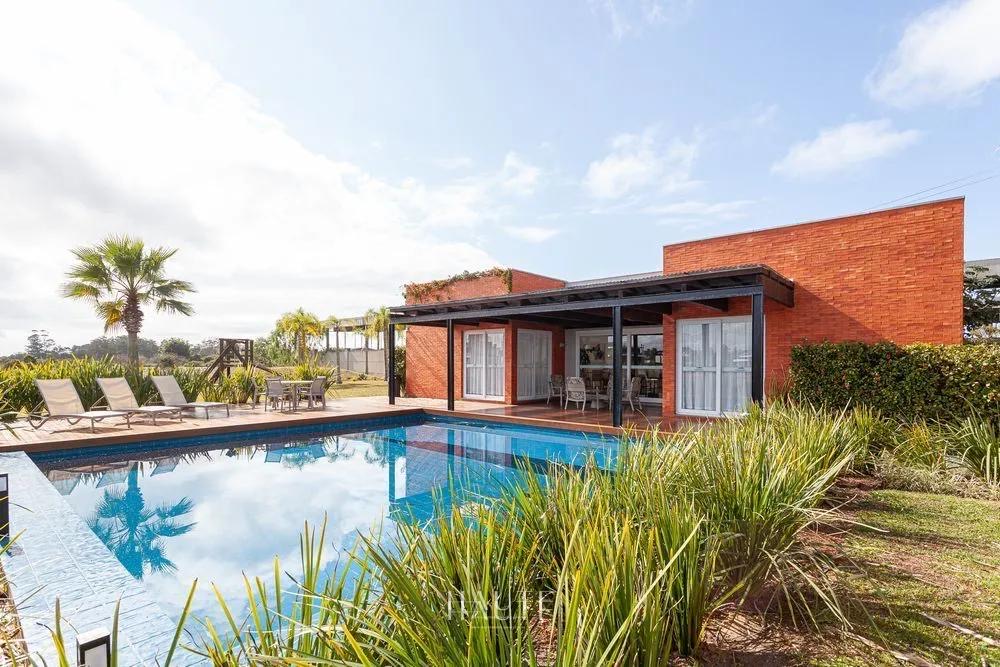
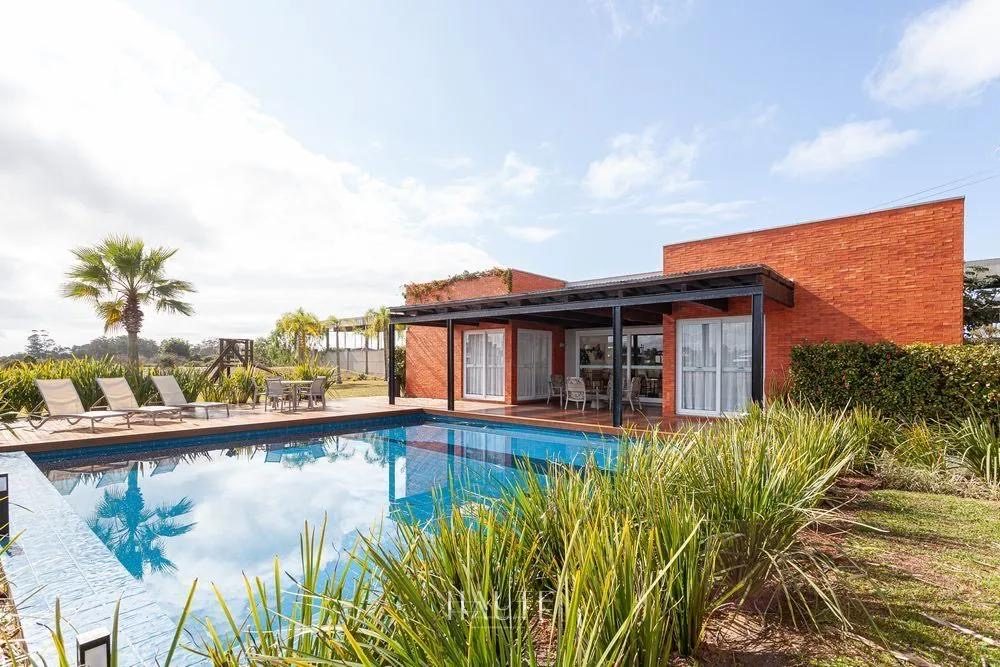
A good sign is when the living room, kitchen, and bedrooms receive natural light without causing excessive heat. Balance is ideal: abundant lighting, but with proper protection, such as eaves, blinds, curtains, or appropriate glass features.
2. Check for cross ventilation
Cross ventilation is one of the most valuable features for coastal properties. It allows air to flow through different parts of the property, reducing stuffiness and decreasing the need for air conditioning.
When visiting the property, observe whether there are openings on opposite sides or in positions that encourage air circulation. Well-planned apartments and houses with good orientation usually offer this benefit more naturally.
3. Analyze the thermal comfort of the spaces
A property does not always seem efficient at first glance. Sometimes it feels too cool because equipment is running all the time. Or too hot because it receives sun without protection and retains heat in the walls and ceiling.
Touch the walls, look at the ceiling, and notice whether there is excessive heat at certain times of day. On the coast, a project that respects the local climate can make a huge difference in everyday use.
4. Ask about materials and finishes
In coastal regions, materials need to withstand humidity and sea breeze better. This applies to window frames, paint, hardware, finishes, and even sealing systems.
Durable materials reduce maintenance and prevent frequent replacements. In an efficient property, construction choices aim to combine aesthetics, durability, and practicality. This is especially important in Torres, where proximity to the sea requires extra care.
5. Check for solar energy use or preparation for the system
Today, many properties already have preparation for solar energy or even an installed system. This can mean significant savings in the long term, especially in larger homes or properties used frequently.
Even when the system is not yet installed, it is worth checking whether the roof has the right conditions for future implementation, such as good orientation and available space.
Practical signs of an energy-efficient property
Some details show up quickly during a visit. Others require more technical questions to the agent, builder, or owner. To make it easier, pay attention to signs such as:
- Bright rooms during the day without excess heat.
- Windows well positioned for air circulation.
- Good sun protection on more exposed façades.
- Firm window frames, without excessive entry of wind or moisture.
- Finishing materials designed for the coastal climate.
- Possibility of installing solar energy.
- Functional layout, with well-distributed rooms.
These points alone do not guarantee that the property is perfect, but they help identify buildings with better real-world performance.
Practical examples to better understand
Imagine two apartments in Torres. The first has small windows, little ventilation, and receives strong afternoon sun without protection. In summer, the indoor temperature rises quickly, the air conditioner stays on longer, and comfort drops.
The second has good cross ventilation, balanced natural light, and sun protection on the openings. Even on hot days, the space stays more pleasant and the use of climate control decreases. The difference shows up in daily life, in your budget, and in the experience of living there.
Now think of two houses near the sea. One was built with standard materials, without special attention to sea breeze. Over time, signs of wear, rust, and constant maintenance appear. The other received finishes more suitable for the coast and has better sealing. The result: less concern with repairs and greater preservation of the property.
These examples show why energy efficiency and construction quality go hand in hand.
Is it worth paying more for an energy-efficient property?
In most cases, yes, especially when thinking in the medium and long term. An efficient property may have a slightly higher initial price, but it tends to pay off through monthly savings, less maintenance, and strong market acceptance.
In Torres, this makes a lot of sense because the city combines tourism, living, and investment. A property that offers comfort, savings, and better adaptation to the local climate usually has greater appeal for those who want to live there as well as for those considering vacation rentals or future resale.
In addition, sustainability is no longer a passing trend. Today, it already influences the buying decisions of many people who want to live better without wasting resources.
What to ask during the visit or negotiation
To avoid buying blindly, ask direct questions. This helps you understand whether the property was planned with efficiency in mind or if it depends heavily on later adjustments.
- What is the property’s sun orientation?
- Is there cross ventilation in the main rooms?
- Are the materials suitable for the coastal climate?
- Does the property have preparation for solar energy?
- Is there a history of leaks, moisture, or wear from sea breeze?
- What renovations or improvements were made to increase comfort?
These answers help compare properties in a more technical way, without relying only on appearance or décor.
Torres and the lifestyle that values smart decisions
Those who choose Torres usually look for more than an address. They look for beach, well-being, practicality, and a lighter day-to-day life. That is why energy efficiency fits the city so well. It goes hand in hand with a lifestyle that values comfort and smart buying.
Different neighborhoods and areas of the city offer different property profiles. In more central areas, convenience may be the highlight. Near the beaches, the challenge is choosing buildings prepared for the marine environment. In both cases, observing energy efficiency is a differentiator that helps make a better choice.
For investors, this care also increases the property’s appeal. A good project, well maintained and adapted to the coast, has a better chance of attracting future residents or guests.
How Haute can help with this choice
Buying a property in Torres involves technical analysis, market knowledge, and attention to local details. That is exactly where Haute Imobiliária can make a difference.
With local service and full support, Haute helps clients find properties that make sense for their goals, whether to live in, use for vacations, or invest. This includes looking at aspects such as location, construction standard, appreciation potential, and, of course, characteristics
Read also: see also this related content and a featured property in Torres.
Want to take the next step? See the available properties in Torres and talk to Haute.