Predial: The Neighborhood’s Evolution in the Lives of Those Who Made It Home
 Adriano Reis·October 5, 2026
The smell of wet earth rose from the community garden at Praça do Bairro Predial, where dona Elza, in her early seventies, was tending a bed of lettuce. Since trading her vacation apartment, just a few blocks away, for a more spacious home with a small backyard in Predial five years ago, she has felt that life in Torres has taken on a new rhythm. It is no longer just a beach and vacation town, but a place to put down roots, care for her home, and connect with her neighbors.
Dona Elza’s experience reflects a broader change that Predial has undergone. Once primarily a haven for vacation homes, it has become a hub for permanent residents, attracting those seeking peace and quiet, good infrastructure, and a sense of community. This transition did not happen all at once. It took shape over the years, with each new family that arrived and every improvement that followed.
Predial in the 2000s: A Quiet, Unpretentious Retreat
Back in the early 2000s, Predial was known for its peaceful and, in a way, bucolic atmosphere. The streets were wider, with less traffic, and most homes were either vacation residences or the year-round homes of traditional Torres families. There was none of today’s commercial buzz or the intense flow of people the neighborhood attracts during the high season.
It was a place for those seeking tranquility, with easy access to downtown and the beach but without the immediate hustle and bustle of the waterfront. The homes were simpler, with spacious yards and architecture that prioritized functionality over luxury. Children played soccer in the street, neighbors chatted on the sidewalks, and the pace of life was dictated by the seasons. Those who owned property there saw Predial as a retreat, a safe haven for vacations and weekends.
Although infrastructure was already in place, it was not the neighborhood’s main highlight. There were the basics: paved streets, public lighting, and essential services. Real estate appreciation was not yet a central topic, and the neighborhood maintained a more residential profile, with few local shopping and service options.
The Post-2010 Turning Point: The Neighborhood Discovered as a Place to Live
Starting in the mid-2010s, a different movement began to emerge in Predial. Torres, as a whole, was experiencing growth. Rising prices per square meter in more central areas and locations closer to the beach prompted people to look at other neighborhoods with potential. Predial, with its strategic location and pleasant surroundings, began to be “discovered” by a new audience: those looking for a permanent home.
Many families, including those who had previously spent only their vacations in Torres, began considering a permanent move. The apartment on the waterfront, which was perfect for the high season, might not have offered enough space or tranquility for everyday life. That was when Predial became an alternative. The price per square meter was still more attractive than in other areas, and the promise of a quieter lifestyle, with more space and less noise, was appealing.
During this period, the neighborhood saw the arrival of the first new homes with more modern designs, along with the renovation of many older residences. Small businesses began to emerge to meet the growing demand from new residents. Smaller supermarkets, bakeries, and even some convenience stores began opening, making everyday life easier for those who lived there.
The Arrival of Vertical Development
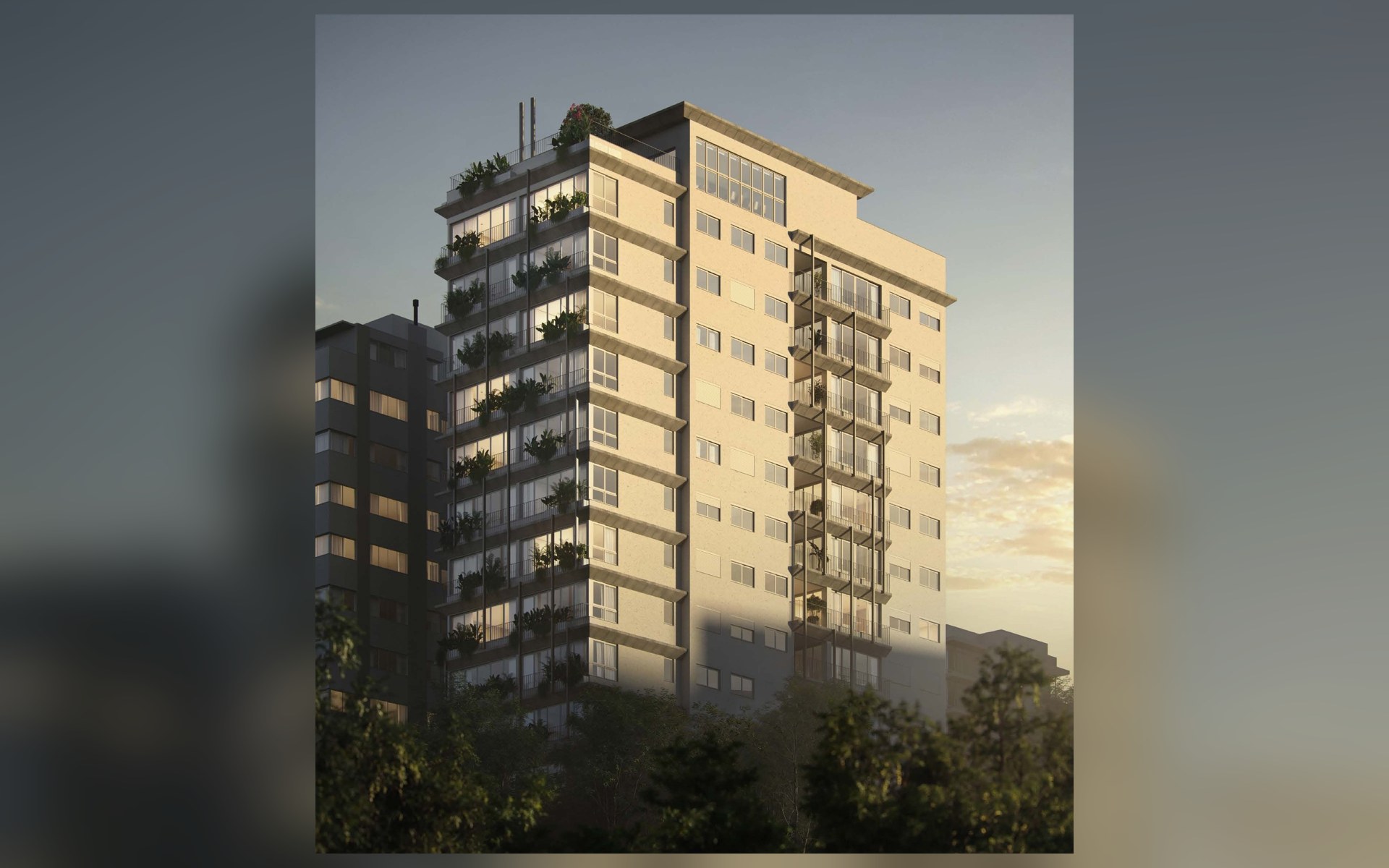
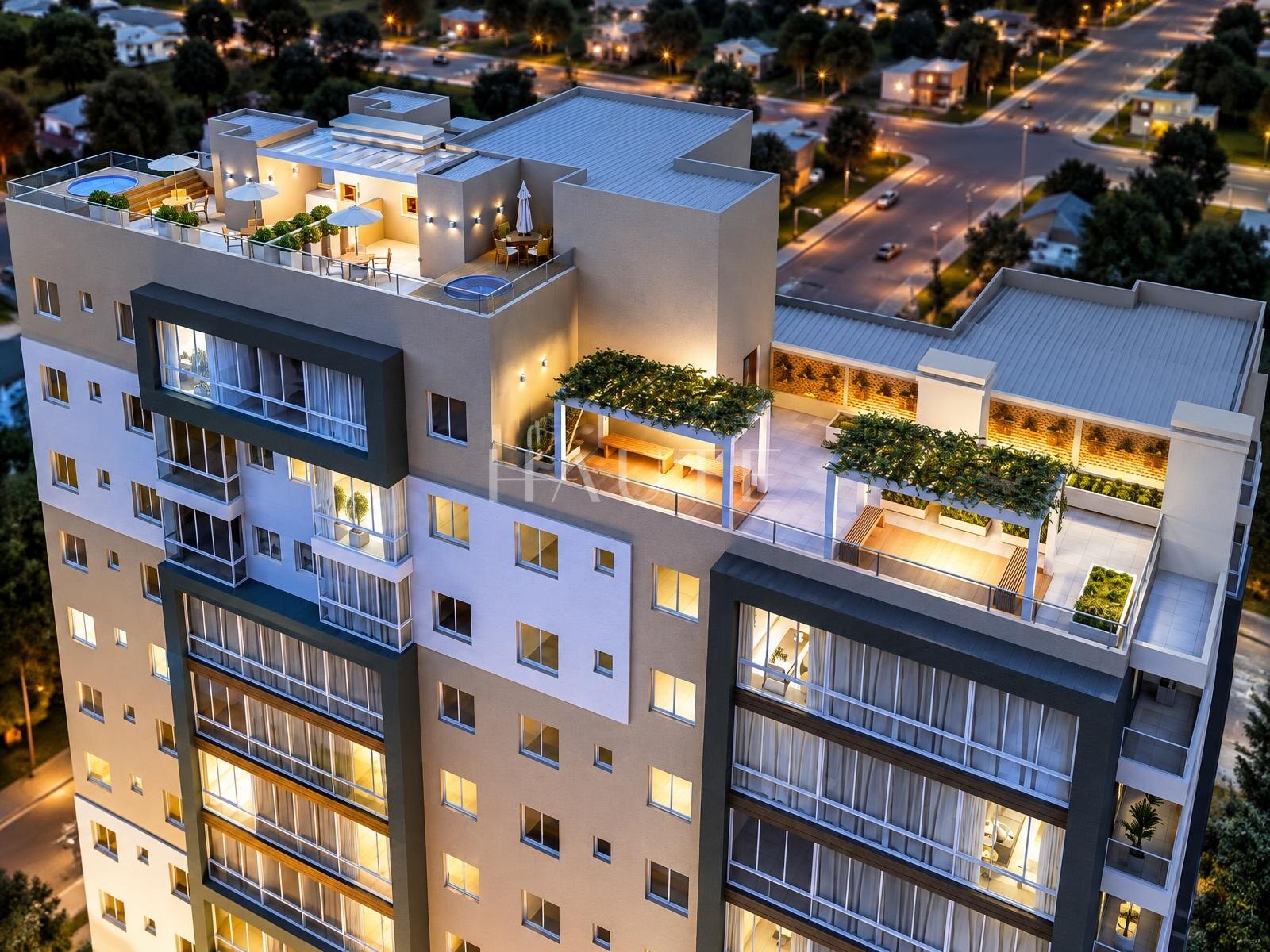
As demand for permanent housing grew, vertical development followed. Small- and mid-sized buildings, with more spacious apartments designed for year-round residents, began to be planned and built. These developments, often featuring recreational areas and on-site infrastructure, brought a new profile to the neighborhood without completely changing its essential character.
This was the period when many people, like dona Elza, transitioned from a vacation apartment to a larger home in Predial. Their search for a place where they could enjoy a better quality of life, with more room for family and hobbies, found an answer in the neighborhood. Real estate appreciation, previously slower, began to gain momentum, driven by demand from a more diverse audience.
Predial Today: Consolidation and New Perspectives (2020 Onward)
Today, in October 2026, Predial is an established neighborhood. It is no longer just a promise, but a reality. Infrastructure has improved significantly. The streets are better maintained, public lighting is efficient, and access to basic services is extensive. There are schools nearby, health clinics, and a growing variety of businesses and services that meet residents’ everyday needs.
Praça do Bairro Predial, with its community garden and gathering spaces, is a clear example of this consolidation. It has become a meeting point, a place where the community connects and where life happens beyond the walls of home. The neighborhood has a genuine sense of community and neighborliness—something many large cities have lost.
Real estate values continue to rise steadily. Predial is no longer a “promising neighborhood,” but an already desirable one, with properties attracting both those seeking a permanent home and investors who see potential for annual rentals or future appreciation.
The architecture of new construction reflects this maturity. Modern homes with innovative designs coexist harmoniously with older residences. Gated communities with complete infrastructure have also become an option for those seeking security and recreation without giving up space.
What to Watch for Going Forward
Looking ahead to the coming years, Predial is likely to further strengthen its role as one of the most desirable neighborhoods to live in Torres. Infrastructure is expected to continue evolving in step with population growth and demand for services.
We will likely see the arrival of new developments, perhaps with an even stronger focus on sustainability and community spaces. The search for a balanced lifestyle—one that combines the tranquility of a residential neighborhood with proximity to urban services—should continue to drive this growth.
For those considering investing in or moving to Predial, the tip is to pay attention to the diversity of properties available. There are older homes offering opportunities for renovation and customization, as well as new apartments and homes in gated communities with every convenience. The neighborhood offers options for different profiles and needs while preserving its essence as a welcoming place with a high quality of life.
The story of Predial is a testament to Torres’s ability to reinvent itself and grow without losing its identity. It is the story of a neighborhood that has adapted, welcomed new residents, and today stands as one of the pillars of the city’s residential life.
If this topic interests you, also see: What Will Change in Torres by 2030: Projects That Increase Property Values and Vista do Morro do Farol: How Preservation Transforms the Surrounding Area.
Not sure what makes sense for you? See what is available today in Torres.