How Much Does It Really Cost to Buy a Property in Torres Beyond the Price
 Clara Martins·April 30, 2025
When someone starts looking for a property in Torres, the first question is usually about the asking price. But in practice, the cost of buying goes beyond the sign, the listing, and the negotiation with the seller. For anyone who wants to make a safe decision, understanding the costs of buying property in Torres is just as important as choosing the right location.
This applies whether you are looking for an apartment to live in, a vacation home, or a property with appreciation potential in the northern coast of Rio Grande do Sul. After all, buying well is not just about finding a good property. It’s about knowing how much it will really cost up to the final signature and beyond.
In this guide, you’ll clearly and practically understand the main costs involved in buying a property in Torres, how to plan better, and what to look out for to avoid surprises in your budget.
Why isn’t the listing price the final purchase price?
The published price of a property is only the beginning of the journey. As the negotiation moves forward, mandatory expenses appear, along with others that, although not always unavoidable, still need to be included in your planning.
This is exactly where many people are surprised. Instead of looking only at the down payment or the financing, the ideal approach is to think about the total acquisition cost. That includes taxes, registry fees, possible documentation adjustments, and, in some cases, ongoing expenses that start to add up soon after the purchase.
In Torres, this becomes even more important because the local real estate market attracts different types of buyers: families looking for a home, investors, people dreaming of a property close to the sea, and buyers from other cities in Rio Grande do Sul who want a second address on the coast.
What are the main costs of buying property in Torres?
Costs can vary depending on the type of property, the purchase structure, and the payment method. But there are expenses that commonly appear throughout the process. Let’s look at the main ones.
1. ITBI: the property transfer tax
ITBI is a tax charged by the city government when property ownership is transferred into the buyer’s name. In other words, without it, the deed or registration often cannot move forward as they should in many formalized purchase transactions.
This is one of the most important costs to include in your budget. It is usually calculated based on the transaction value or assessed value, according to the applicable rules. Since this is a municipal charge, it’s always best to confirm the current rule at the time of purchase with a professional or with the local registry office.
In practice, ITBI should be part of your planning from the start. Anyone who forgets this tax may compromise the funds set aside for the purchase and create financial strain exactly at the final stage of the deal.
2. Public deed and registry office recording
After the buyer and seller reach an agreement, the paperwork begins. Depending on the type of transaction, a public deed may be required, along with the property registration at the competent registry office.
These steps are essential because the registration is what actually transfers ownership. Without it, the buyer may have paid, signed, and agreed to everything, but still will not be the legal owner of the property.
Registry office fees vary according to the property value and the nature of the transaction. That’s why it’s worth requesting a simulation before closing the deal. In a purchase in Torres, especially for higher-value properties or in highly sought-after areas, this check helps avoid surprises at closing.
3. Financing fees, when there is mortgage credit
If the purchase is financed, the budget needs to include the costs linked to the credit. In addition to the future installments, there may be expenses such as property appraisal, origination fees, and bank administrative charges.
It’s also important to consider that financing requires document organization and, in many cases, a more robust down payment plan. Anyone buying in Torres to live or invest should analyze not only the installment amount, but also the total impact of the transaction on monthly cash flow.
A practical example: a buyer finds an attractive apartment near downtown, but after adding the down payment, documentation, and financing costs, realizes they need to adjust the offer so the deal fits comfortably within the budget.
4. IPTU and condominium fees: expenses that continue after the purchase
Some costs are not part of the acquisition itself, but they must be included in planning because they start right after the keys are handed over. That’s the case with IPTU and condominium fees, when the property is in a building or residential complex with shared administration.
In Torres, this deserves special attention because there is an important difference between a vacation property, an apartment downtown, a penthouse with a privileged view, or a house in a more residential neighborhood. The usage pattern and the property’s structure directly affect these expenses.
- IPTU: a municipal tax that is usually charged annually.
- Condominium fees: a monthly charge that may include maintenance, cleaning, concierge, and reserve funds.
- Extra expenses: in some condominiums, there may be shared costs, improvements, and periodic adjustments.
Someone buying a vacation home, for example, should evaluate whether the condominium fees make sense for a property that will be vacant part of the year. On the other hand, someone planning to live there year-round may value the security, structure, and convenience offered.
5. Documentation and regularization costs
Not every property is ready for immediate transfer. In some cases, there may be pending registry issues, the need to update records, certificates, or contractual adjustments.
These points should not be seen as minor details. In real estate, documentation is a central part of a safe purchase. A property that seems like a great deal can become expensive if later regularization is required.
That’s why one of the best practices is to verify, before signing, whether the property is ready to be transferred without obstacles. This is especially true in transactions involving inheritance, probate, power of attorney sales, or recent construction.
How to plan your purchase without straining your budget
Good planning is the difference between buying with peace of mind and entering the deal under pressure. In a valued city like Torres, where location, view, and beach proximity make a big difference in price, the buyer needs to look beyond the ideal property and consider the full package.
Do the math beyond the down payment
A common mistake is to set aside money only for the down payment and later realize that the other costs were left out. The smartest approach is to set aside a specific margin for acquisition expenses.
A good practice is to consider, from the beginning:
- down payment amount;
- ITBI;
- deed and registration;
- financing costs, if any;
- moving and initial adjustments to the property;
- condominium fees and IPTU after the purchase.
That way, the buyer avoids negotiating at the limit and gains more confidence to close the best deal.
Estimate the monthly cost before closing
Buying in Torres can be excellent for those seeking quality of life, but the decision must fit into your financial routine. In addition to the property price, evaluate what it will represent per month, considering the installment, condominium fees, IPTU, and any maintenance expenses.
For example: an apartment in a more central area can make everyday life easier, while a property closer to the sea can offer a highly desired lifestyle. In both cases, the ideal approach is to check whether the final cost matches your long-term plan.
Get support from someone who knows the local market
The northern coast of Rio Grande do Sul has its own particularities. Torres, for example, combines tourism appeal, residential neighborhoods, and properties with strong leisure and investment appeal. This means the purchase price must be analyzed together with the documents, the market, the property profile, and its potential use.
Having local guidance helps avoid rushed decisions. Good real estate service can identify risks, provide documentation guidance, suggest alternatives, and help compare opportunities more realistically.
Torres: buying is also choosing a lifestyle
Talking about costs in Torres is not just about taxes and registry fees. It’s about a city that combines beach life, mobility, leisure, and real estate appreciation. For many people, buying a property here means investing in well-being and in an asset with strong appeal in southern Brazil.
Neighborhoods near downtown usually attract those who want convenience. Meanwhile, areas with easy beach access and properties with views or high-end features draw interest from those seeking leisure, exclusivity, and appreciation potential. In every scenario, the best-prepared buyer is the one who considers the total cost, not just the showcase price.
This perspective is especially important for investors. A well-located property in Torres may have strong seasonal demand, but the return only makes sense when the purchase was made strategically, with expenses clearly mapped out from the beginning.
Practical examples of costs that may appear
To make it clearer, think about common situations in the local market:
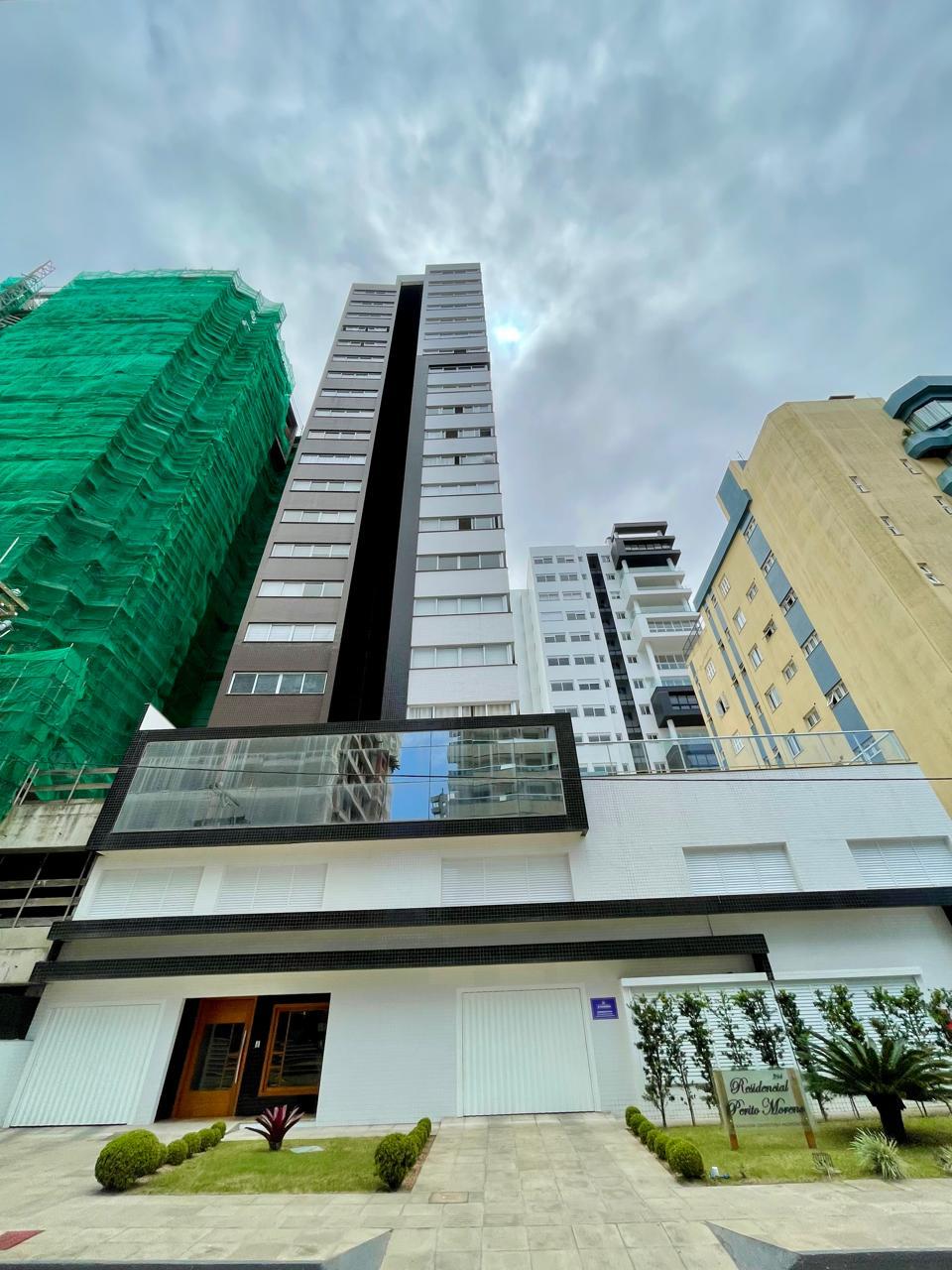
- New apartment downtown: besides the price, ITBI, registration, and, if financed, bank costs are included.
- Used house in a residential neighborhood: it may require more detailed document review and possible adjustments before transfer.
- Vacation property near the beach: condominium fees and maintenance may weigh more heavily in the final calculation than the buyer expected.
Read also: see this related content too and a featured property in Torres.
Ready to take the next step? See the available properties in Torres and talk to Haute.